Introduction
As we enter a new age of technology, the introduction of 5 G networks is poised to reinvent just how cities run and just how devices interact within the Web of Things (IoT). The transition from 3 G to 4 G and now to 5 G has already marked considerable adjustments in connection, however what does this mean for the future? In this article, we'll delve deep into Understanding the Influence of 5G on Smart Cities and IoT Development, discovering its implications, possible benefits, obstacles, and future trends.
Understanding the Influence of 5G on Smart Cities and IoT Development
The term "clever city" refers to urban challenges of cdma2000 technology locations that take advantage of innovation to boost efficiency, reduce expenses, and boost quality of life. As cities expand more congested with citizens and tools alike, efficient connectivity ends up being vital. This is where 5 G steps in.
1. What is 5G Technology?
5 G stands for the 5th generation of mobile networking modern technology. Unlike its predecessors ( 3 G, 4 G), which mostly concentrated on improving data rates and capacity, 5 G introduces numerous essential innovations:
- Ultra-low Latency: With feedback times as low as 1 nanosecond, it enables real-time communication. Massive Tool Connectivity: Efficient in sustaining up to one million gadgets per square kilometer. Enhanced Dependability: Guarantees consistent connectivity also in jampacked environments.
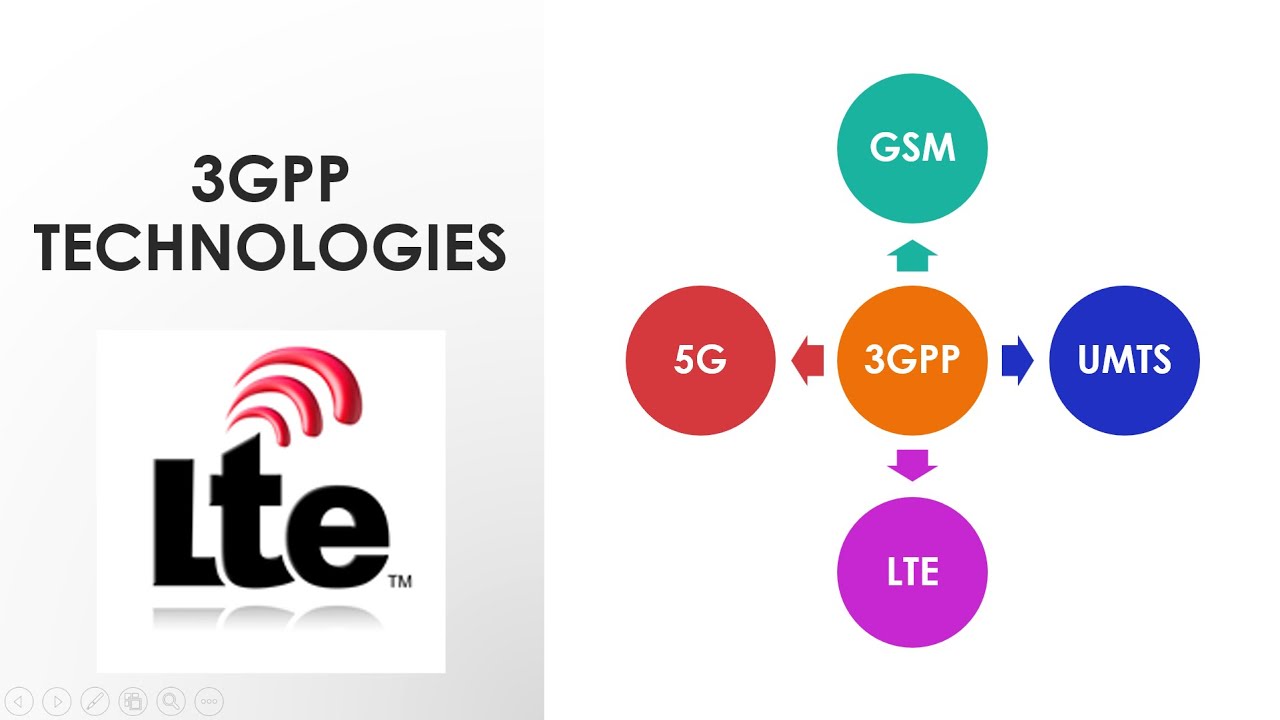
2. The Evolution from 3G to 5G
The evolution from 3 G to 4 G produced significant enhancements in rate and access. Nonetheless, also these innovations seem minimal compared to what 5 G offers:
|Generation|Speed (Mbps)|Latency (ms)|Gadget Supported|| ------------|--------------|--------------|-------------------|| 3G|As much as 2|100-500|Thousands|| 4G|As much as 100|30-50|Hundreds of thousands|| 5 G|Approximately 10,000|<< 1|Millions|</p>
3. Exactly How Does 5G Allow Smart Cities?
Smart city innovations count greatly on real-time data handling and interaction in between tools. Below's how 5 G improves smart city framework:
3.1 Boosted Public Safety
With progressed surveillance systems powered by high-speed networks, police can monitor events in real time. As an example:
Imagine a circumstance where emergency services determine a roadway mishap using connected cams; they can send off aid within seconds.
3.2 Effective Web traffic Management
Traffic blockage is a major issue in metropolitan atmospheres. With linked vehicles communicating over a robust network like 5 G, cities can implement adaptive website traffic signals that react dynamically based on real-time web traffic conditions.
3.3 Sustainable Power Management
Smart grids are made feasible via trustworthy interaction allowed by 5 G, maximizing energy intake patterns across metropolitan areas.
4. The Role of IoT in Smart City Development
The Internet of Points involves attaching everyday challenge the net for enhanced performance and information collection.
4.1 Environmental Monitoring
IoT sensors can track air quality degrees or noise pollution throughout metropolitan locations, providing authorities with workable insights for improvement.
4.2 Smart Waste Management
With IoT-enabled waste containers that inform when they need collection, municipalities can enhance their waste management courses effectively.
5. Secret Advantages of Incorporating 5G right into Smart Cities
Integrating 5 G right into smart city jobs generates various advantages:
- Increased performance in public services Improved ecological sustainability Enhanced quality of life for residents Economic growth via innovation
FAQs
FAQ 1: What are the major differences in between 3G, 4G, and 5G?
While each generation surpasses rate and capability:
- 3 G presented mobile web access. 4 G boosted multimedia streaming capabilities. 5 G focuses on ultra-low latency and substantial gadget connectivity.
FAQ 2: Just how does IoT benefit from 5 G?
IoT flourishes on real-time data transfer; 5 g's low latency allows gadgets-- like clever home appliances or automobiles-- to connect promptly without delays.
FAQ 3: Exist any kind of wellness problems connected with 5 g technology?
Current study indicates no substantial wellness risks linked straight to 5 g Governing firms proceed monitoring developments closely.
FAQ 4: What function do governments play in releasing 5 g networks?
Governments frequently work together with personal entities for infrastructure growth while guaranteeing policies that secure residents' interests.
FAQ 5: When will 6 g be available?
Though conversations about 6 g are underway, it's anticipated not before around the year 2030 as researchers discover its potential applications.
FAQ 6: Exactly how do smart cities use data accumulated from IoT devices?
Data from IoT devices notify decision-making procedures concerning public precaution, resource allocation strategies, or urban preparation initiatives.
Conclusion
The assimilation of 5 g modern technology right into smart cities represents more than just an upgrade; it's a transformative step towards producing interconnected communities that prosper on efficiency and sustainability. As we progress towards this truth, recognizing the impact of [10] g on smart cities and IoT development comes to be increasingly important for stakeholders across different markets-- from tech trendsetters to city organizers-- to harness its complete possible sensibly while navigating obstacles along the way.
By welcoming modification and cultivating cooperation amongst governments, businesses, and people alike, we can develop smarter city environments furnished for future obstacles-- ensuring our cities continue to be resistant as we change from 3 g via 4 g in the direction of an interesting future shaped by 6 g innovation innovations yet unseen.